
Высококачественный лизисный буфер RIPA (сильный) для тканей и клеток (с PMSF)
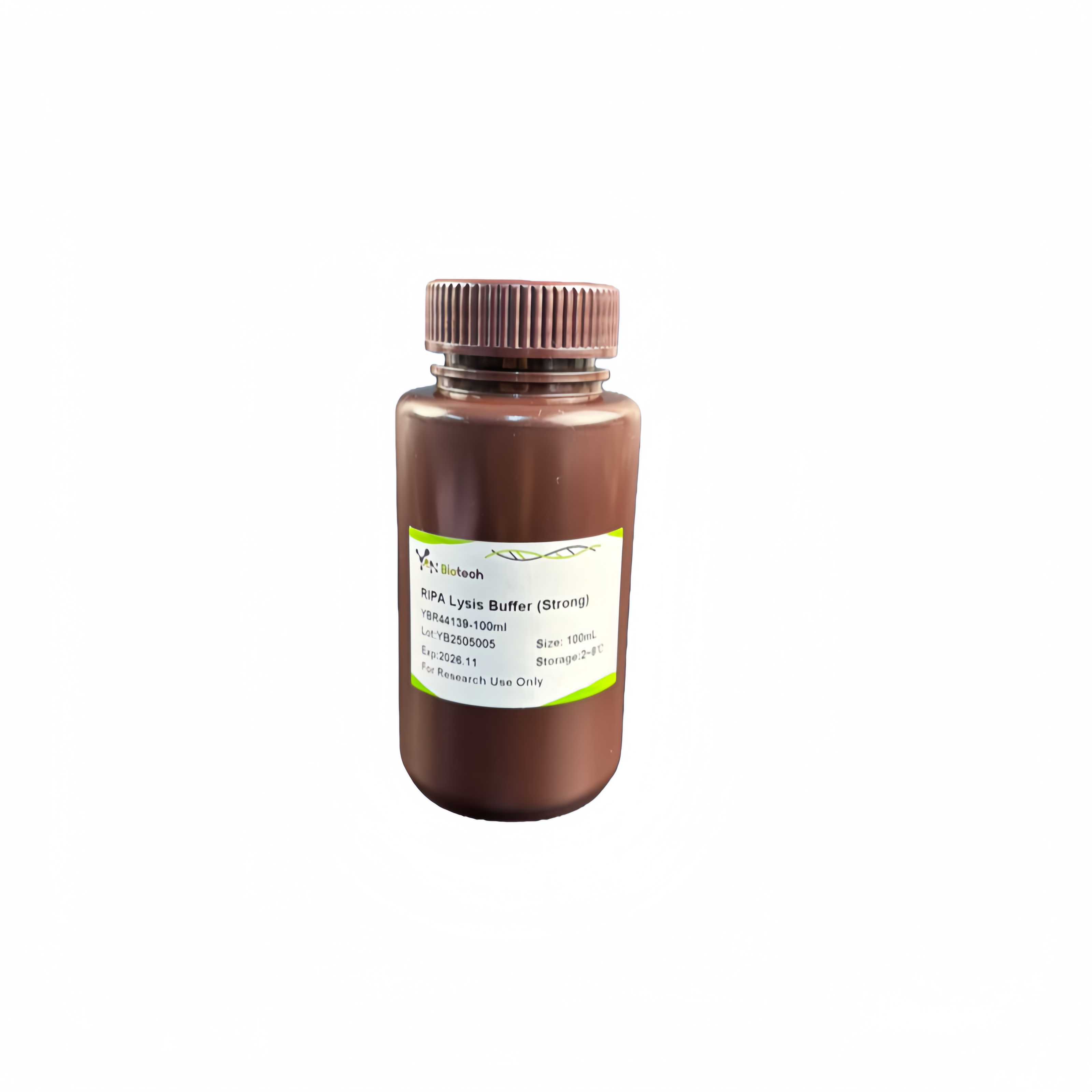
Традиционный буфер для быстрого лизиса растительных клеток, тканей или протопластов.
Кот. Нет. :
YBR44139-100MLБренд :
YanbiotechПроисхождение продукта :
ChinaОбъем :
100mLВведение в продукт
Информация о продукте:
| Кат. № | Название продукта | Упаковка |
| YBR44139-100ml | РИПА Лизисный буфер (Сильный) | 100 мл |
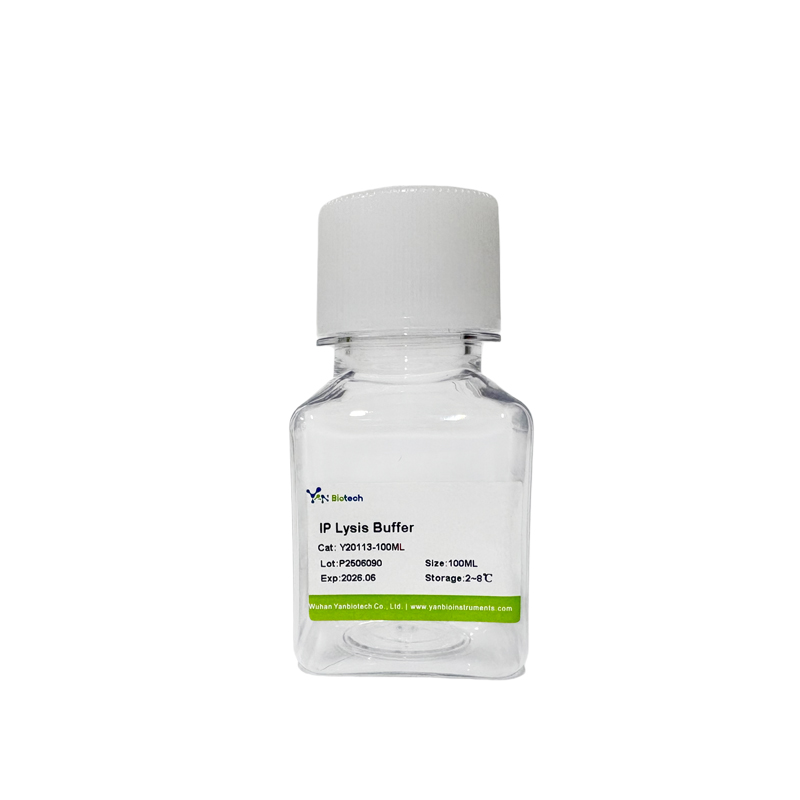
Лизисный буфер Plant RIPA от Yanbiotech — это традиционный буфер для быстрого лизиса растительных клеток, тканей или протопластов. Белковые образцы, полученные с помощью лизиса Plant RIPA, могут быть использованы для рутинного электрофореза в полиакриламидном геле (PAGE), вестерн-блоттинга, иммунопреципитации (IP), коиммунопреципитации (Co-IP), ИФА и др.
Этот продукт можно использовать для образцов растительных клеток, тканей или протопластов, а также для образцов животных клеток или тканей, грибов или бактерий.
Аббревиатура RIPA первоначально означала «Радиоиммунопреципитационный анализ».
В состав лизирующего буфера Plant RIPA (Strong) входят 1% Тритон X-100, 1% дезоксихолат натрия и 0,1% SDS (детергенты), а также различные ингибиторы, такие как ортованадат натрия, фторид натрия, ЭДТА и леупептин. Он эффективно подавляет деградацию белков.
Концентрацию белка в образцах, лизированных с помощью буфера для лизиса Plant RIPA, можно определить с использованием набора для определения белка BCA. Из-за высокой концентрации детергентов метод Брэдфорда не следует использовать для определения концентрации белка в образцах, лизированных этим буфером.
Условия хранения:
-20ºC, 12 месяцев.
Меры предосторожности:
Для достижения оптимальных результатов избегайте чрезмерного количества циклов замораживания-оттаивания. Рекомендуется разделить продукт на порции после размораживания для однократного использования.
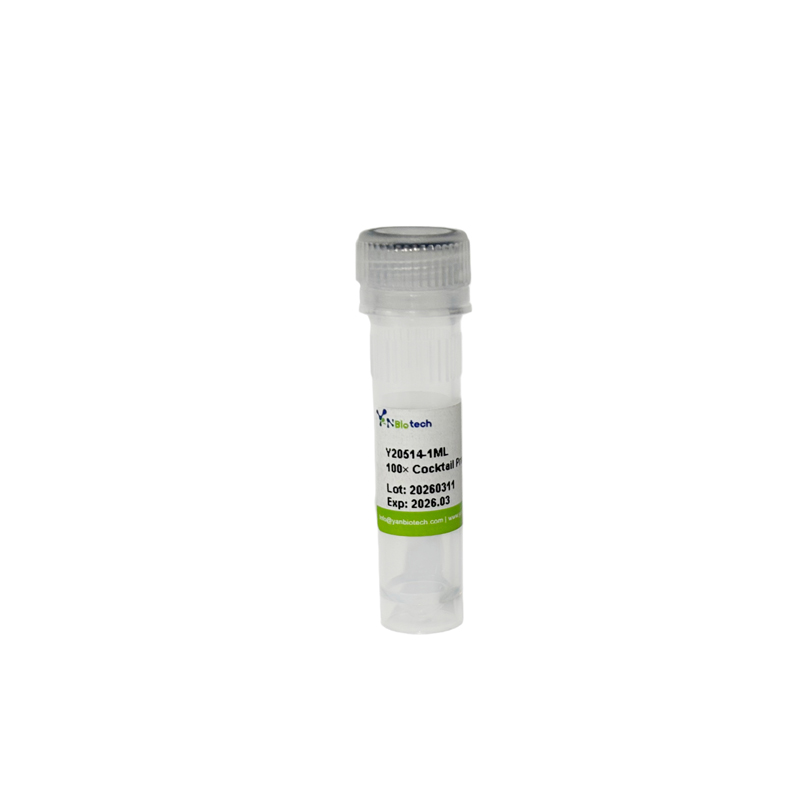
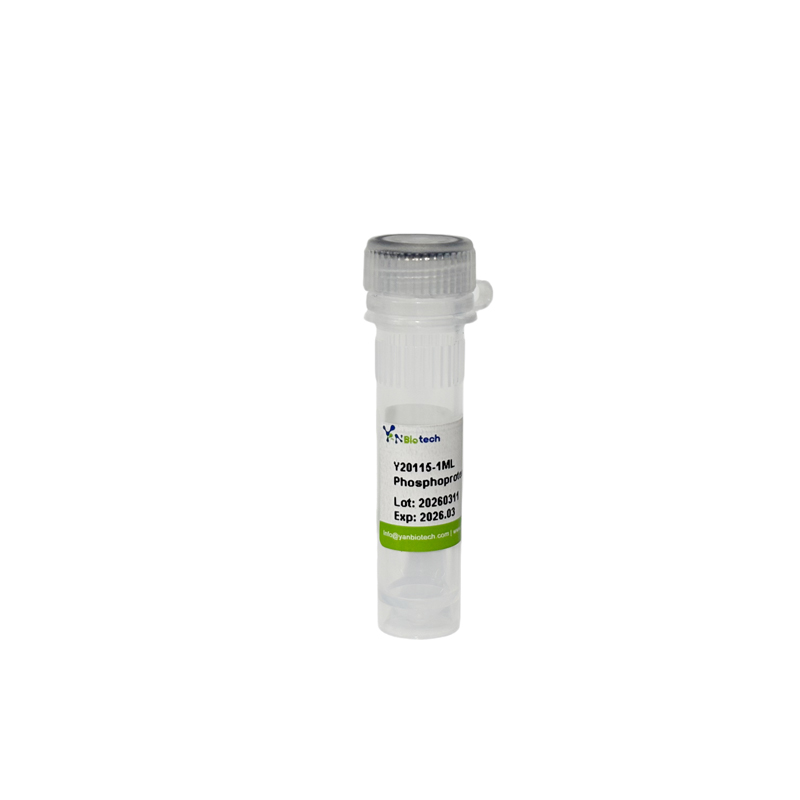
PMSF должен быть приготовлен пользователем. В качестве альтернативы можно приобрести коктейль ингибиторов протеаз и фосфатаз (общего назначения, 50X) для достижения лучшего общего эффекта или выбрать соответствующую смесь ингибиторов в зависимости от конкретных применений: коктейль ингибиторов протеаз и фосфатаз (для экстракции образцов растений, 50X), коктейль ингибиторов протеаз и фосфатаз (общего назначения, совместимый с MS, 50X), коктейль ингибиторов протеаз и фосфатаз (для экстракции образцов млекопитающих, 50X), коктейль ингибиторов протеаз и фосфатаз (для экстракции грибов или дрожжей, 50X), коктейль ингибиторов протеаз и фосфатаз (для экстракции бактерий, 50X). Если обнаружение фосфорилированных белков не требуется, можно также выбрать коктейль ингибиторов протеаз без ингибиторов фосфатаз.
Все этапы лизиса образцов следует проводить на льду или при температуре 4 °C.
Данный продукт предназначен исключительно для исследовательских целей квалифицированными специалистами. Не предназначен для использования в клинической диагностике или лечении. Не предназначен для использования в пищевых продуктах или лекарственных препаратах. Не хранить в обычных жилых помещениях.
В целях вашей безопасности и охраны здоровья, пожалуйста, надевайте лабораторный халат и одноразовые перчатки во время работы.
Инструкция по применению:
1. Для образцов культивируемых растительных клеток:
а. Разморозьте лизисный буфер Plant RIPA и тщательно перемешайте. Непосредственно перед использованием добавьте PMSF в соответствующее количество лизисного буфера до конечной концентрации 1 мМ или добавьте подходящий коктейль ингибиторов протеаз и фосфатаз в зависимости от требований эксперимента.
b. Центрифугируйте для сбора растительных клеток. Добавьте 100-200 мкл лизирующего буфера на каждые 0,5-1 миллион клеток. Несколько раз перемешайте пипеткой, чтобы обеспечить тщательный контакт лизирующего буфера с клетками. Лизис проводите на льду в течение 2-10 минут.
c. После полного лизиса центрифугировать при 10 000–14 000 g в течение 3–5 минут. Собрать надосадочную жидкость для последующего электрофореза в полиакриламидном геле, вестерн-блоттинга, иммунопреципитации и т. д.
2. Для образцов растительных протопластов:
а. Измельчите ткань на мелкие кусочки и подготовьте протопласты.
b. (Необязательно) Трансформируйте протопласты плазмидой, продолжайте культивирование в течение 16-48 часов и при необходимости применяйте соответствующие экспериментальные методы.
c. Протопласты собирают методом центрифугирования на низкой скорости при 100-500 g.
d. Разморозьте лизисный буфер Plant RIPA и тщательно перемешайте. Непосредственно перед использованием добавьте PMSF в соответствующее количество лизисного буфера до конечной концентрации 1 мМ или добавьте подходящий коктейль ингибиторов протеаз и фосфатаз.
e. Добавьте 100-200 мкл лизирующего буфера на каждые 0,5-1 миллион протопластов. Аккуратно постучите по дну пробирки, чтобы тщательно лизировать клетки. После полного лизиса не должно остаться значительного количества протопластного осадка. Если количество протопластов велико, их необходимо разлить по пробиркам, содержащим по 0,5-1 миллиону протопластов в каждой, перед лизисом. Большие скопления протопластов (0,5-1 миллион) трудно полностью лизировать, в то время как меньшие количества (0,5-1 миллион) относительно легче полностью лизировать, поскольку лизирующий буфер может легче контактировать с ними.
3. Для образцов растительной ткани:
а. Измельчите растительную ткань на мелкие кусочки.
b. Разморозьте буфер для лизиса растений RIPA (сильный) и тщательно перемешайте. Непосредственно перед использованием добавьте PMSF к соответствующему количеству буфера для лизиса до конечной концентрации 1 мМ или добавьте подходящий коктейль ингибиторов протеаз и фосфатаз.
c. Добавьте 100-200 мкл лизирующего буфера на каждые 20 мг растительной ткани. (Если лизиса недостаточно, можно добавить больше лизирующего буфера. Если необходима более высокая концентрация белка, количество лизирующего буфера можно соответственно уменьшить.)
d. Гомогенизируйте с помощью стеклянного гомогенизатора или ручной измельчителя тканей до полного лизиса. В качестве альтернативы, образец ткани можно заморозить, измельчить в жидком азоте, а затем после тщательного измельчения добавить лизирующий буфер.
e. После полного лизиса центрифугировать при 10 000–14 000 g в течение 3–5 минут. Собрать надосадочную жидкость для последующего электрофореза в полиакриламидном геле, вестерн-блоттинга, иммунопреципитации и т. д.
f. Если растительная ткань очень тонкая и нежная, ее можно соответствующим образом измельчить, а затем непосредственно добавить в лизисный буфер. Для тщательного лизиса образца следует энергично перемешивать на вихревом смесителе. Затем аналогичным образом центрифугировать, чтобы собрать надосадочную жидкость для последующих экспериментов. Преимущество прямого лизиса заключается в удобстве, поскольку исключается необходимость использования гомогенизаторов или измельчительного оборудования. Недостаток состоит в том, что лизис может быть не таким тщательным, как при гомогенизации или измельчении.
Примечание: В лизате, полученном с помощью буфера для лизиса растений RIPA, часто появляется небольшая прозрачная гелеобразная масса, что является нормальным явлением. Этот прозрачный гель представляет собой комплекс, содержащий геномную ДНК и другие компоненты. При обнаружении белков, не связанных прочно с геномной ДНК, надосадочную жидкость можно непосредственно использовать для последующих экспериментов после центрифугирования. При обнаружении белков, очень прочно связанных с геномом, этот прозрачный гель можно разрушить и диспергировать с помощью ультразвуковой обработки, после чего надосадочную жидкость можно собрать центрифугированием. Для обнаружения распространенных факторов транскрипции ультразвуковая обработка обычно не требуется.

Stay Connected With Us



Авторское право
@ Wuhan Yanbiotech Co., Ltd. Все права защищены
.
 ПОДДЕРЖИВАЕМАЯ СЕТЬ
Xml / политика конфиденциальности
ПОДДЕРЖИВАЕМАЯ СЕТЬ
Xml / политика конфиденциальности
 Русский
 English
 Русский
 Español