Раствор для экстракции РНК Trizol
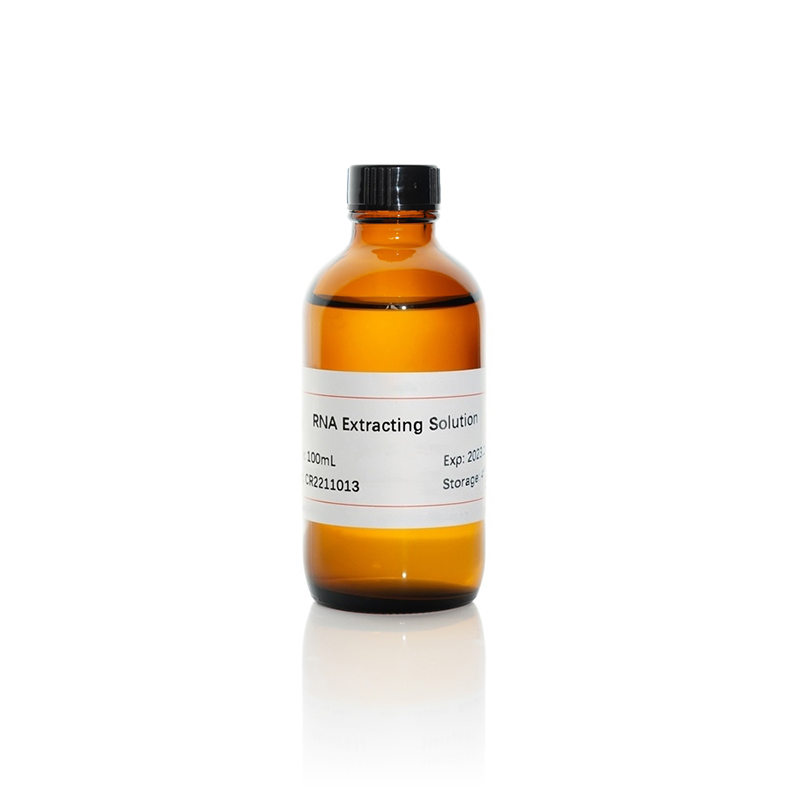
Готовый к применению реагент, предназначенный для быстрой изоляции суммарной РНК из широкого спектра образцов, включая ткани или клетки человека, животных, растений, дрожжей и бактерий.
Кот. Нет. :
YB3201R-50Бренд :
YanbiotechПроисхождение продукта :
ChinaОбъем :
50mLВведение в продукт
Информация о продукте:
| YB3201R-50 | Реагент для выделения общей РНК (Тризол) | 50 мл |
| YBR3201R-100 | Реагент для выделения общей РНК (Тризол) | 100 мл |
| YBR3201R-500 | Реагент для выделения общей РНК (Тризол) | 100 мл × 5 |
Реагент для выделения тотальной РНК — это реагент широкого спектра действия, предназначенный для выделения тотальной РНК. Этот реагент подходит для выделения тотальной РНК из тканей животных, растительных материалов, различных микроорганизмов и культивируемых клеток. TRIzol эффективно лизирует образцы, максимально сохраняя целостность РНК. После добавления хлороформа и центрифугирования смесь разделяется на три слоя, при этом РНК распределяется в верхней водной фазе. Водную фазу собирают, а тотальную РНК выделяют путем осаждения изопропанолом.
Его можно использовать в различных экспериментах по молекулярной биологии, таких как ОТ-ПЦР, ПЦР в реальном времени, Норзерн-блоттинг, Дот-блоттинг, селекция поли-А, трансляция in vitro и создание библиотек кДНК.
Характеристики продукта:
1. Конструкция, не содержащая РНКазы: Весь комплект обработан таким образом, чтобы исключить наличие РНКазы, что гарантирует работу без загрязнений.
2. Широкая область применения: Подходит для выделения РНК из различных типов образцов, включая ткани животных, растительные ткани, разнообразные микроорганизмы и культивируемые клетки.
3. Удобный для пользователя протокол: Простая и эффективная процедура, удаление зуба занимает приблизительно 30 минут.
4. Высокое качество продукции: Эффективно сохраняет целостность РНК, обеспечивая при этом высокую эффективность и чистоту, без белков и других примесей. Выделенная РНК обычно имеет соотношение OD260/OD280 1,9–2,2, что делает ее идеальной для широкого спектра применений в молекулярной биологии.
Протокол: (Пожалуйста, ознакомьтесь с мерами предосторожности перед началом эксперимента)
Обработка образцов:
1.Ткань растения: Тщательно измельчите свежую ткань растения в жидком азоте или нарежьте ткань на мелкие кусочки и измельчите непосредственно в растворе TRIzol. Добавьте 1 мл раствора TRIzol на каждые 50–100 мг ткани и хорошо перемешайте. Примечание: Объем образца, как правило, не должен превышать 10% от объема раствора TRIzol.
2.Образцы тканей животных: нарежьте свежие или замороженные при -80°C образцы тканей животных на мелкие кусочки. Добавьте 1 мл TRIzol на каждые 30–100 мг ткани и гомогенизируйте с помощью гомогенизатора. В качестве альтернативы, измельчите ткань в порошок в жидком азоте, переложите в новую центрифужную пробирку и добавьте 1 мл TRIzol для перемешивания. Примечание: объем образца, как правило, не должен превышать 10% от объема TRIzol.
3.Адгезивные клетки: Лизируйте клетки непосредственно в чашке Петри, добавив TRIzol. Добавьте 1 мл TRIzol на каждые 10 см² площади культуры и многократно перемешивайте пипеткой до тех пор, пока не исчезнут видимые клеточные скопления. Недостаточное количество TRIzol может привести к загрязнению ДНК.
4.Суспензии клеток: центрифугируйте для сбора клеток. Добавьте 1 мл TRIzol на каждые 5–10×10⁶ клеток животных, растений или дрожжей, или на каждые 1×10⁷ бактериальных клеток, и тщательно перемешайте. Повторяйте перемешивание пипеткой до тех пор, пока не останется видимых клеточных комков. Не промывайте клетки, чтобы избежать деградации мРНК.
5.Для выделения бактериальной РНК используйте набор для быстрого выделения бактериальной РНК SpinPure™ (центрифужная колонка) (кат. № 2120).
Для выделения РНК из образцов крови или жидких образцов: используйте реагент TRI LS для выделения общей РНК из жидких образцов (TRIzol LS Reagent) (кат. № 2107).
Процедура экстракции:
1.Для обеспечения полного распада нуклеопротеиновых комплексов обработавшемуся образцу следует дать постоять при комнатной температуре 5–10 минут.
2.Дополнительный этап: центрифугирование при 12 000 об/мин и 4°C в течение 10 минут, затем перенос надосадочной жидкости в новую центрифужную пробирку, свободную от РНКазы. (Для образцов, богатых белками, жирами, полисахаридами или внеклеточными материалами, такими как мышцы, жировая ткань или части клубней растений, может потребоваться дополнительное разделение.)
3.Добавьте 200 мкл хлороформа на 1 мл TRIzol. Энергично перемешивайте на вортексе в течение 15 секунд и оставьте при комнатной температуре на 3 минуты.
4.Центрифугируйте при 12 000 об/мин и 4°C в течение 10 минут. Образец разделится на три слоя: нижний органический слой, промежуточный белковый слой и верхний водный слой. РНК находится в верхнем водном слое.
5.Перелейте водную фазу в новую центрифужную пробирку и добавьте равный объем изопропанола. Перемешайте, перевернув пробирку, и оставьте при комнатной температуре на 10 минут. (Избегайте отсасывания осадка или плавающих частиц. Плавающие частицы могут прилипнуть к кончику пипетки; убедитесь, что они не попадают в пробирку.)
6.Центрифугируйте при 12 000 об/мин и 4°C в течение 10 минут, затем удалите надосадочную жидкость. На дне пробирки должен образоваться гелеобразный осадок.
7.Промойте осадок 1 мл 75% этанола на 1 мл использованного TRIzol и перемешайте на вихревом смесителе для ресуспендирования.
8.Центрифугируйте при 12 000 об/мин и 4°C в течение 3 минут, затем удалите надосадочную жидкость (не беспокойте осадок РНК). Оставшуюся жидкость кратковременно центрифугируйте еще раз и осторожно отберите пипеткой.
9.Высушите осадок на воздухе при комнатной температуре в течение 2–3 минут. Добавьте 30–100 мкл воды, не содержащей РНКазы, для полного растворения РНК. Избегайте чрезмерного высушивания осадка, так как это может затруднить растворение. Элюированную РНК можно использовать немедленно или хранить при –80°C.


Stay Connected With Us



Авторское право
@ Wuhan Yanbiotech Co., Ltd. Все права защищены
.
 ПОДДЕРЖИВАЕМАЯ СЕТЬ
Xml / политика конфиденциальности
ПОДДЕРЖИВАЕМАЯ СЕТЬ
Xml / политика конфиденциальности
 Русский
 English
 Русский
 Español