
Набор для ИФА Rat 15-LO (арахидонат-15-липоксигеназа)
ALOX15, 15-LOX-1, 15LOX-1, LOX15
Кот. Нет. :
YB2211RБренд :
YanbiotechПроисхождение продукта :
ChinaОбъем :
96TСпец. :
48TI. Информация о продукте:
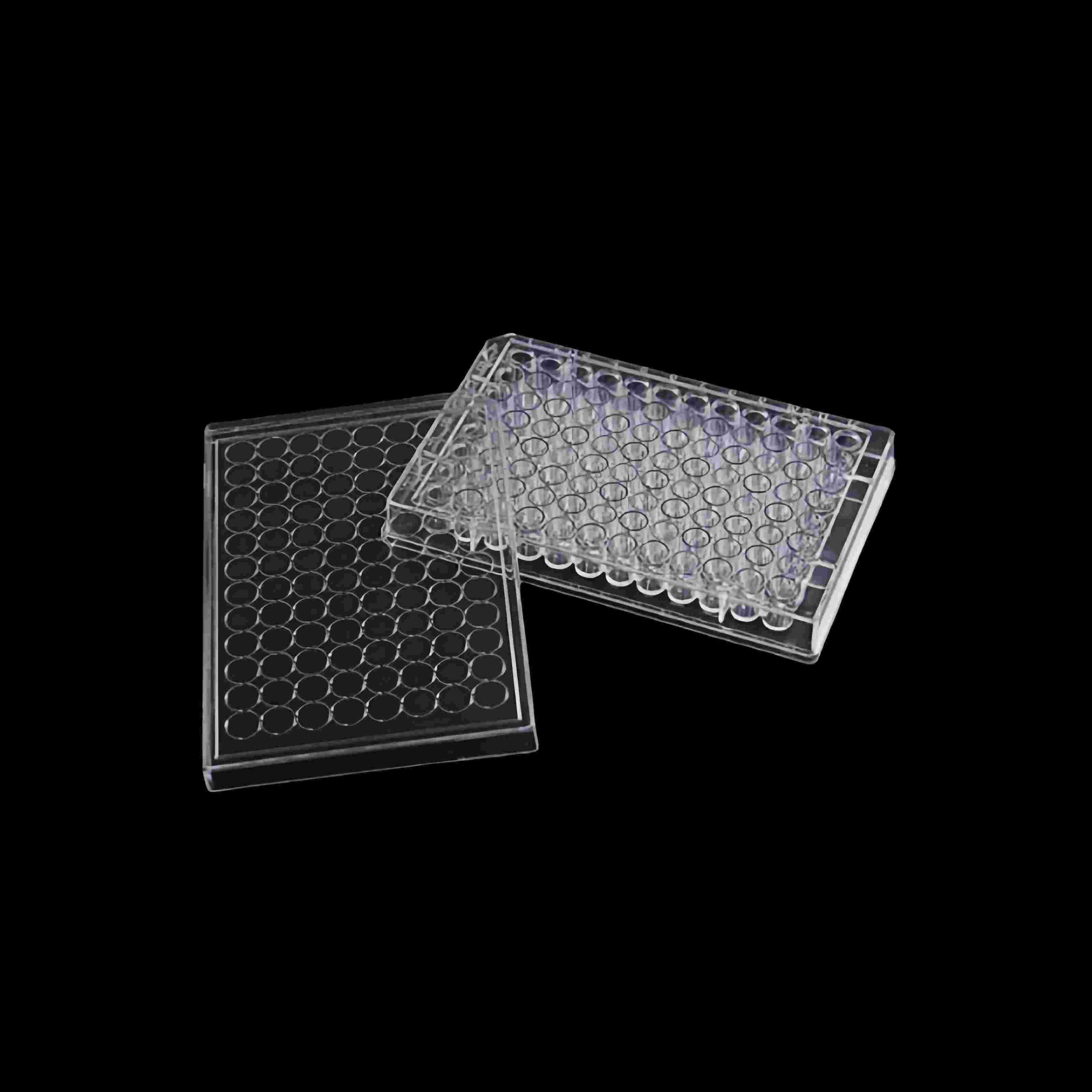
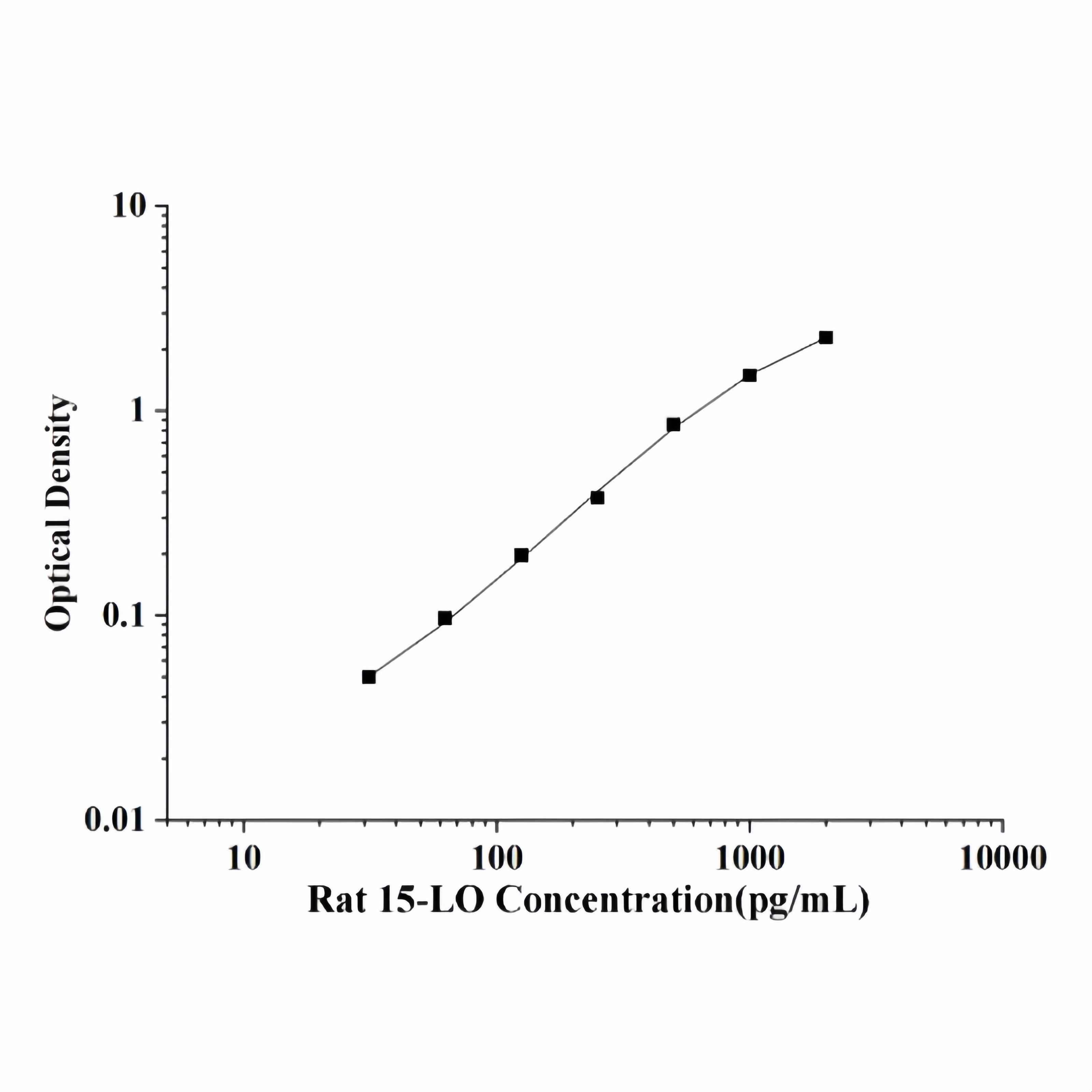
Данный набор для ИФА использует формат сэндвич-иммуноферментного анализа (ИФА). Предоставленный микропланшет предварительно покрыт захватывающим антителом, нацеленным на Rat 15-LO. Стандарты или тестовые образцы вводятся в лунки, позволяя антигену связываться с иммобилизованным антителом. Затем добавляется меченное биотином детектирующее антитело, специфичное к Rat 15-LO, после чего добавляется конъюгат авидин-пероксидаза хрена (HRP). После инкубации и промывки для удаления несвязанных веществ в каждую лунку добавляется субстратный раствор. Синий цвет появляется только в лунках, где присутствуют Rat 15-LO, биотинилированное детектирующее антитело и конъюгат авидин-HRP. Ферментативная реакция останавливается стоп-раствором, в результате чего цвет меняется на желтый. Затем измеряется поглощение при 450 нм ± 2 нм, при этом значения оптической плотности (OD) прямо пропорциональны концентрации Rat 15-LO. Наконец, концентрации образцов определяются путем построения графика зависимости показаний оптической плотности от стандартной кривой.
| Номер кошки | YB2211R |
| Альтернативные названия | ALOX15, 15-LOX-1, 15LOX-1, LOX15 |
| Метод обнаружения | Сэндвич |
| Диапазон обнаружения | 31,25-2000 пг/мл |
| Идентификатор Uniprot | / |
| Приложения | Метаболический путь; Инфекционный иммунитет; Иммунные молекулы; Гематология; Аутоиммунитет |
| Разновидность | Крыса |
| Чувствительность | 18,75 пг/мл |
| Стандарт | 2000 пг/мл |
| Тип образца | Гомогенат ткани и клеточный лизат; объем образца = 100 мкл. |
| Время реакции | 3,5 часа |
II. Пример протокола тестирования:
1. Для анализа рекомендуется использовать свежие образцы, не подвергавшиеся длительному хранению. В противном случае в таких образцах может произойти деградация и денатурация белка, что в конечном итоге приведет к неверным результатам.
2. Мы несем ответственность только за сам набор, но не за образцы, использованные во время анализа. Пользователи должны рассчитать возможное количество образцов, необходимых для всего теста. Пожалуйста, зарезервируйте достаточное количество образцов заранее.
3. Диапазон обнаружения набора не соответствует диапазону концентраций аналита в образце. Рекомендуется обратиться к справочным материалам, провести предварительные эксперименты или обратиться за технической поддержкой для оценки концентрации аналита в вашем образце. Если концентрация аналита в образце слишком высока или слишком низка, следует провести соответствующее разбавление или концентрирование образца.
4. Если тип образца не указан в руководстве, рекомендуется провести предварительный эксперимент для проверки его достоверности.
III. Подготовка реагентов:
1. Перед использованием доведите все реагенты до комнатной температуры (18-25℃). Если набор не будет использован в одном анализе, извлеките только необходимые для данного эксперимента полоски и реагенты, а оставшиеся полоски и реагенты храните в требуемых условиях.
2. Буфер для промывки: Разведите 30 мл концентрированного буфера для промывки 720 мл деионизированной или дистиллированной воды, чтобы получить 750 мл буфера для промывки. Примечание: если в концентрате образовались кристаллы, нагрейте его на водяной бане при температуре 40℃ и осторожно перемешивайте до полного растворения кристаллов.
3. Стандартное рабочее решение:
① Центрифугирование: центрифугируйте стандартный раствор при 10 000×g в течение 1 мин.
② Добавьте 1 мл стандартного образца и разбавителя, дайте постоять 10 минут и несколько раз осторожно переверните. После полного растворения тщательно перемешайте пипеткой. В результате получается рабочий раствор с концентрацией 1000 пг/мл.
③ Последовательное разведение: Возьмите 7 пробирок EP, добавьте в каждую по 250 мкл стандартного образца и буфера для разведения образца (объем можно регулировать в зависимости от фактического использования, например, 500 мкл/пробирка). Перелейте 250 мкл рабочего раствора стандарта 1000 пг/мл в первую пробирку и тщательно перемешайте, чтобы получить рабочий раствор стандарта 1000 пг/мл. Продолжайте разведение шаг за шагом до предпоследней пробирки. Последняя пробирка будет служить контрольной, и переливать раствор из предпоследней пробирки не следует. Рабочий раствор стандарта следует готовить непосредственно перед использованием.
4. Рабочий раствор биотинилированного детектирующего антитела: рассчитайте необходимое количество перед экспериментом (100 мкл/лунка). При приготовлении следует подготовить немного больше, чем рассчитано. Центрифугируйте концентрированное биотинилированное детектирующее антитело при 800×g в течение 1 мин, затем разведите 100× концентрированное биотинилированное детектирующее антитело до 1× рабочего раствора с помощью разбавителя для биотинилированного детектирующего антитела (соотношение концентрированного биотинилированного детектирующего антитела к разбавителю для биотинилированного детектирующего антитела = 1:99).
5. Рабочий раствор конъюгата HRP: Рассчитайте необходимое количество перед экспериментом (100 мкл/лунка). При приготовлении следует приготовить немного больше, чем рассчитано. Центрифугируйте концентрированный конъюгат HRP при 800×g в течение 1 мин, затем разбавьте 100× концентрированный конъюгат HRP до 1× рабочего раствора с помощью разбавителя конъюгата HRP (соотношение концентрированного конъюгата HRP к разбавителю конъюгата HRP = 1:99).
6. Советы по экспериментальной работе
① Растворы следует добавлять на дно лунки микропланшета для ИФА, избегая соприкосновения с внутренней стенкой и образования пены.
② Используйте тестируемые полоски сразу после промывки. Не допускайте высыхания полосок.
③ После добавления субстратного реагента время реакции можно сократить или увеличить в зависимости от фактического изменения цвета, но не более чем на 30 минут.
④ Добавление стоп-раствора следует производить в том же порядке, что и добавление раствора субстрата.
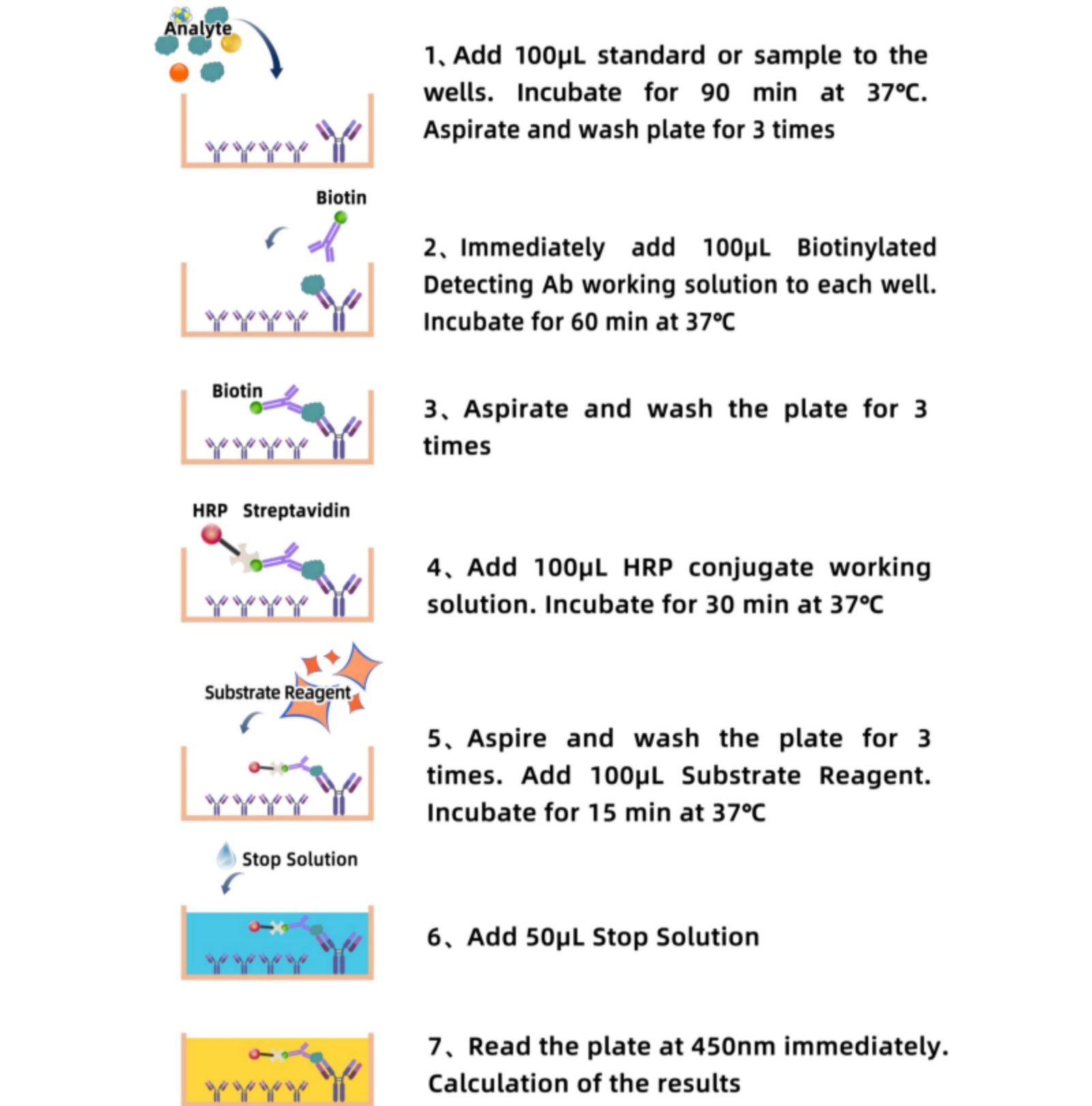
IV. Процедура анализа:
V. Примечание:
Только для исследований в области биологических наук.



Stay Connected With Us



Авторское право
@ Wuhan Yanbiotech Co., Ltd. Все права защищены
.
 ПОДДЕРЖИВАЕМАЯ СЕТЬ
Xml / политика конфиденциальности
ПОДДЕРЖИВАЕМАЯ СЕТЬ
Xml / политика конфиденциальности
 Русский
 English
 Русский
 Español