
Accurate protein quantification is essential in biochemistry and life science research. Whether you are preparing samples for electrophoresis, immunoassays, or cell biology experiments, reliable protein concentration determination ensures reproducibility and confidence in your results.
At Yanbiotech, we offer two widely used protein quantification methods: Bradford and BCA. Each has distinct advantages depending on your sample composition and experimental needs.
Product Overview
| Cat. No. | Product Name |
| Y20121-250ML | Bradford protein concentration determination kit |
| Y20122-200T | BCA protein concentration determination kit |
Method Comparison
| Feature | Bradford Assay | BCA Assay |
| Detection Range | 100–1000 µg/µL | 25–1000 µg/µL |
| Detergent Compatibility | SDS <0.01%; Triton X-100 <0.05%; Tween <0.015% | SDS ≤5%; Triton X-100 ≤5%; Tween ≤5% |
| Reducing Agent Compatibility | EDTA ≤100 mM; DTT ≤5 mM; 2-ME ≤7.8% | EDTA ≤10 mM; DTT ≤1 mM; 2-ME ≤0.01% |
| Key Advantage | Single reagent, no premixing; room temperature incubation for 5 min | High accuracy, broad linear range, minimal protein-to-protein variation |
Which Method Should You Choose?
(1) Bradford Assay, Cat No.: Y20121-250ML
This classic method is known for its speed and simplicity. With only one reagent and a 5-minute incubation at room temperature, it is ideal when detergents and reducing agents are not present in your sample.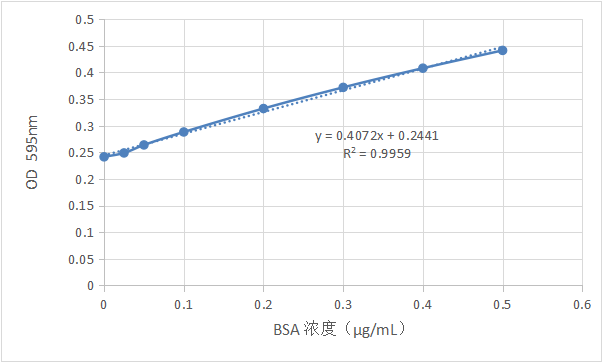
(2) BCA Assay, Cat No.: Y20122-200T
If your samples contain detergents or require high accuracy across a broad concentration range, the BCA method is an excellent choice. It offers minimal protein-to-protein variation and a wide linear range. However, it requires a 30-minute incubation at 37°C and is incompatible with reducing agents such as DTT and 2-ME.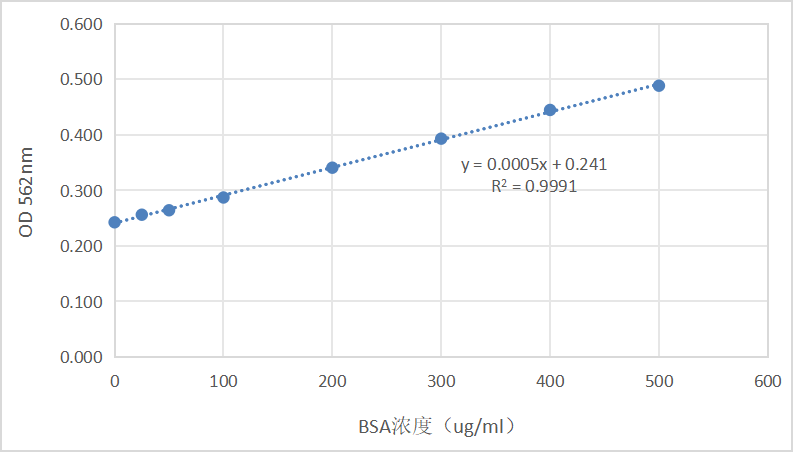
Technical Tips
Conclusion
Selecting the right protein quantification method depends on your sample composition, throughput needs, and compatibility requirements. Yanbiotech offers reliable, ready-to-use kits for both Bradford and BCA methods to support your research with consistency and ease.
For more product details, please refer to our product catalog or contact our technical support team.
If you would like a shorter version for a product page, or a version tailored for social media, I can also help with that.
Stay Connected With Us



Авторское право
@ Wuhan Yanbiotech Co., Ltd. Все права защищены
.
 ПОДДЕРЖИВАЕМАЯ СЕТЬ
Xml / политика конфиденциальности
ПОДДЕРЖИВАЕМАЯ СЕТЬ
Xml / политика конфиденциальности
 Русский
 English
 Русский
 Español